The menstrual cycle is the body’s monthly process of getting ready for pregnancy. The lining of the uterus, also called the womb, becomes thicker. If pregnancy does not happen, this lining leaves the body through the vagina as blood. This is called a period. A period usually lasts 3 to 8 days.
Periods often come about once a month. Many people get a period every 25 to 31 days. During the cycle, an ovary releases an egg. If sperm meets the egg, pregnancy can happen. If pregnancy does not happen, the period starts.
Managing and Preparing for Periods
Periods often start between ages 11 and 14. They can start earlier or later. Periods usually stop between ages 45 and 55. This is called menopause. Talk to a health care provider if a period starts before age 9, or if a person is 15 or older and has not had a period.
Period flow may be heaviest on the first and second day. Some people also have cramps, belly pain, dizziness, diarrhea, nausea, tiredness, mood changes, or changes in appetite. These things may help:
- Pain medicine you can buy without a prescription, such as acetaminophen or ibuprofen
- A heating pad or hot water bottle
- Pain relief gels or creams
- Light physical activity and gentle exercise
- Soaking in a warm water bath
You can track your period with a calendar, notebook, or app. Write down when your period starts and ends. You can also write down how heavy the bleeding is, pain, bloating, breast pain, and mood changes. This can help you notice changes and talk to a health care provider if needed.
Menstrual Products and Hygiene
Menstrual hygiene means keeping clean and using period products safely. This can help prevent infection, reduce odour, and keep you comfortable.
There are different kinds of menstrual products. These include:
Disposable pads
Disposable pads stick to underwear. Some have side pieces called wings to help hold them in place. Pads come in different sizes for light or heavy flow. Change pads every 4 to 6 hours, or sooner if needed. Throw them in the garbage after use.
Pantiliners
Pantiliners are small, thin pads. They can be used for light bleeding, discharge, or extra protection with a tampon.
Reusable pads
Reusable pads are made from cloth, such as cotton or bamboo. Wash them after use and use them again. Follow the product instructions.
Tampons
Tampons are small products that go inside the vagina to absorb period blood. They have a string to help remove them. Tampons come in different sizes. Change them every 4 to 8 hours. Do not use one tampon for more than 8 hours.
Menstrual cup
A menstrual cup is a soft cup that goes inside the vagina to collect period blood. Empty it every 8 to 12 hours. Some cups are used once and thrown away. Others can be washed and used again. Follow the product instructions.
Period underwear
Period underwear is underwear made to absorb period blood. Some types can be washed and used again. Follow the product instructions.
These tips can help prevent infection and keep you comfortable:
- Wash your hands before and after using a period product.
- Wrap used products in toilet paper or tissue and put them in the garbage. Do not flush them.
- Change pads and tampons every few hours, or as directed.
- Clean menstrual cups every day after use.
- Wash the outside of the vagina and bottom every day. Wipe from front to back after using the toilet.
- Wear comfortable clothing and underwear that lets air flow.
- Drinking enough liquids
- Use unscented toilet paper, pads, and tampons. Do not put soap, perfume, or chemicals inside the vagina.
- See a health care provider for regular checkups.
Choose period products that work for your body and activities. Some people prefer tampons or cups for swimming, running, or other active movement.
Toxic shock syndrome is rare but serious. It can happen when bacteria grow and enter the blood. Warning signs include high fever, chills, dizziness, fainting, muscle pain, vomiting, or diarrhea. Get medical help right away if you have these symptoms.
Birth Control and Menstruation
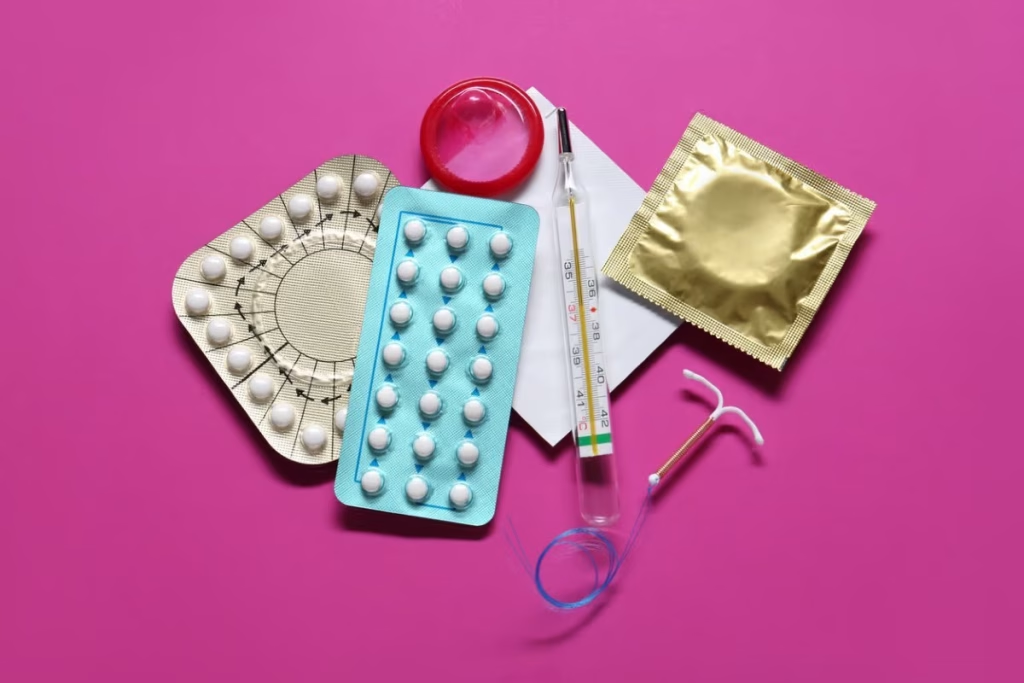
Birth control can change your period. Pills, patches, vaginal rings, shots, and IUDs may make bleeding lighter, heavier, more regular, or less regular. Birth control may also help with heavy bleeding, painful periods, irregular periods, or endometriosis.
Some long-acting birth control methods can make periods stop after about 1 year. Spotting or irregular bleeding can happen in the first 3 to 6 months with some methods. Spotting can also happen when using birth control pills, especially if pills are missed or taken late.
Menstrual Issues
A period often lasts 3 to 8 days. Many people get a period every 25 to 31 days. The amount of blood is different for each person.
Talk to a health care provider if you have unusual bleeding, especially if:
- During pregnancy
- It happens after sex
- It happens after using the same birth control for more than 3 months
- It is new or unexpected
- You have a lot of period pain
- A child younger than 8 has vaginal bleeding
Get medical advice if period pain stops you from doing normal activities, sleeping, having sex, peeing, or having a bowel movement. Also get advice if you bleed after menopause, bleed after sex, have periods longer than 8 days, pass large blood clots, or lose a lot of blood.
Heavy periods can lower the amount of iron in your body. Low iron can make you feel weak, tired, dizzy, or short of breath. Talk to a health care provider if you have these symptoms.
Periods can stop or happen less often for many reasons. These include pregnancy, menopause, stress, not eating enough, some medicines, hormone changes, thyroid problems, diabetes, eating disorders, and heavy exercise. If you have had sex and miss a period, consider taking a pregnancy test. Talk to a health care provider if you are worried.
Polycystic ovary syndrome, or PCOS, can cause missed or irregular periods. It may also be linked with oily skin, acne, hair loss, extra hair growth, trouble losing weight, diabetes, high blood pressure, and trouble getting pregnant. Strong mood changes before a period can also affect daily life. A health care provider can help with these concerns.
Endometriosis happens when tissue like the lining of the uterus grows outside the uterus. It can cause very strong period pain, pelvic pain, pain when peeing or having a bowel movement, and pain during or after sex. It can also make it harder to get pregnant. Talk to a health care provider if you have these symptoms.
Common Myths
Myth: People have their period all the time.
Fact: A period usually lasts 3 to 8 days. It is part of a monthly cycle.
Myth: Everyone has mood changes during their period.
Fact: Some people have mood changes. Some people do not. Each person is different.
Myth: Period blood is ‘dirty’.
Fact: Period blood is not dirty. A period is a normal body process.
Myth: Cleaning out the inside of the vagina (douching) is beneficial.
Fact: Do not douche. The vagina cleans itself. Douching can upset the natural balance and may cause irritation or infection.
Myth: Periods are supposed to be painful
Fact: Mild cramps can be normal. Strong pain that affects daily life is not something you have to accept. Talk to a health care provider.
Myth: You cannot get pregnant during your period
Fact: It is possible to get pregnant during a period. Menstrual cycles can be different from person to person.
Myth: Period blood should be one colour.
Fact: Period blood can be different colours. It may be lighter or darker during different days of the period.